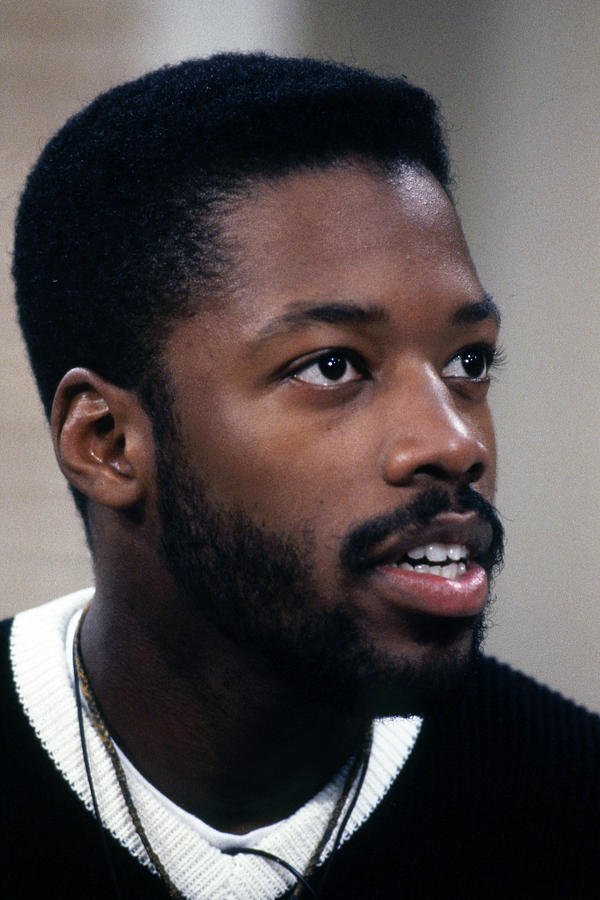
For many, Kadeem Hardison is a familiar face, an actor whose presence has graced screens big and small for decades. From his unforgettable turn as Dwayne Wayne on A Different World to his recent appearances in contemporary hits, his acting talent is undeniable. Yet, behind the familiar roles and the signature flip-up sunglasses, Kadeem Hardison has quietly, but significantly, expanded his creative footprint, venturing into the demanding realms of directing and producing. These behind-the-scenes credits are more than just line items on a resume; they represent a deliberate evolution, showcasing his commitment to storytelling and his growth as a multi-hyphenate force in Hollywood.
While his acting career boasts an impressive 93 credits, his journey into directing and producing reveals a deeper ambition – to shape narratives from conception to final cut. This shift from interpreting a script to actively crafting the vision reflects a mature artist's desire for greater creative control and a broader influence on the stories we see.
At a Glance: Kadeem Hardison's Behind-the-Scenes Impact
- Director: Kadeem Hardison has helmed episodes for beloved series and an independent feature film.
- Producer: He has taken on co-executive producer duties, influencing projects from a strategic level.
- Writer: His creative input extends to screenwriting, demonstrating a holistic approach to filmmaking.
- Creative Evolution: These roles mark a natural progression for an experienced actor seeking to expand artistic control.
- Diverse Portfolio: His directing credits span network television, cable family programming, and independent cinema, showcasing versatility.
From Front of the Camera to Behind the Lens: A Natural Evolution
It's a trajectory we often see with seasoned actors: after years of bringing characters to life under the direction of others, many feel the pull to step behind the camera themselves. Kadeem Hardison, born in New York City on July 24, 1965, has spent decades observing the craft, understanding rhythm, performance, and narrative structure from every angle. This rich reservoir of experience makes the transition from actor to director not just logical, but often incredibly insightful.
Directing, at its core, is about guiding a vision. It requires an intimate understanding of performance, a keen eye for visual storytelling, and the ability to manage a complex creative and technical process. Hardison's extensive acting career, featuring iconic roles like Junior in White Men Can't Jump and Malik Brody in Drive, provided an unparalleled apprenticeship. He's worked with countless directors, absorbed diverse techniques, and felt firsthand what makes a performance resonate. This foundation is invaluable when you're the one calling the shots.
Kadeem Hardison: The Director's Chair
Hardison's directing credits, while fewer in number than his acting roles, are significant precisely because of the types of projects he chose to helm. They demonstrate versatility and a willingness to engage with different storytelling environments. He holds three distinct directing credits, each offering a window into his capabilities and artistic leanings.
Helming A Different World: Revisiting a Legacy
Perhaps the most poignant of Hardison's directing forays is his work on A Different World. This wasn't just another show; it was a cultural phenomenon, a spin-off of The Cosby Show that broke ground by focusing on the lives of students at a fictional historically Black college. For Hardison, it was also where he became a household name as the charming, intelligent Dwayne Wayne.
Stepping into the director's chair for a series where you were once a central actor is a unique experience. It requires a delicate balance of respect for the show's legacy and the confidence to impose your own directorial vision. Hardison's return to Hillman College, this time with a headset and a monitor, underscores a deep connection to the material and a desire to contribute to its narrative from a new vantage point. It also speaks to the trust placed in him by the production team. Who better to guide the narrative of A Different World than someone who lived and breathed its essence for years?
Beyond directing, Hardison also received a "Story by" credit for A Different World. This writing credit further solidifies his deeper engagement with the show's narrative, proving he wasn't just interpreting a script but actively participating in its foundational development. It’s an understated testament to his comprehensive creative involvement.
Navigating K.C. Undercover: A Modern Disney Channel Staple
Moving from the groundbreaking cultural narrative of A Different World to the family-friendly espionage world of Disney Channel’s K.C. Undercover might seem like a leap, but it actually highlights Hardison's versatility as a director. K.C. Undercover, starring Zendaya, required a different directorial touch—one focused on comedic timing, youthful energy, and action sequences suitable for a younger audience.
Directing multi-camera sitcoms, particularly for a network like Disney Channel, demands a specific skill set. It involves precise blocking, swift pacing, and the ability to draw authentic performances from a younger cast. Hardison's experience as an actor in various comedic and dramatic roles, including on shows like Family Guy and Everybody Hates Chris, undoubtedly equipped him with the tools to navigate this genre effectively. His work on K.C. Undercover showcased his ability to adapt his directorial style to different formats and target demographics, proving he wasn't a one-trick pony behind the lens.
The Independent Spirit: The Dark Party
Perhaps the most revealing project in Kadeem Hardison's directing and producing portfolio is The Dark Party. This film stands out because he wasn't just the director; he also holds a "Screenplay" credit and served as a "Co-executive producer." This trifecta of roles on a single project signals a profound level of commitment and creative control, often seen in independent filmmaking where artists wear multiple hats out of necessity and passion.
The Dark Party allowed Hardison to explore storytelling on his own terms, unconstrained by the established formats of network television. As a screenwriter, he shaped the narrative from its inception, crafting characters and plot points that resonated with his artistic vision. As a director, he brought that script to life, guiding performances and visual aesthetics. And as a co-executive producer, he was involved in the crucial logistical, financial, and strategic decisions that bring a film from concept to completion.
This kind of multi-faceted involvement in The Dark Party demonstrates an artist fully invested in every stage of the filmmaking process. It speaks to a desire not just to interpret a story, but to originate, develop, and shepherd it through its entire journey. It's here, in the independent space, that artists often find the freedom to truly define their voice and demonstrate their complete range of skills.
The Producing Perspective: Cultivating Creative Ventures
Producing is a vastly different beast than directing. While directing focuses on the artistic execution of a specific project, producing often involves a broader scope: identifying compelling stories, securing funding, assembling creative teams, managing budgets, and overseeing the entire life cycle of a production. It’s a role that requires business acumen, negotiation skills, and a deep understanding of the industry.
Hardison's single producing credit as "Co-executive producer" for The Dark Party is particularly telling. A co-executive producer typically plays a significant role in the creative development and financial packaging of a project. They might be instrumental in securing talent, shaping the script, or finding distribution. This isn't just a vanity credit; it often signifies a substantive contribution to getting the film made and seen.
For an actor like Hardison, taking on a producing role is a powerful statement. It indicates a desire to move beyond being a hired talent and to become a key stakeholder in the creation of content. It's about empowering projects you believe in and ensuring they have the resources and support to reach an audience. This move reflects a strategic shift from pure performance to creative entrepreneurship.
A Deeper Look at the Multi-Hyphenate's Craft
Kadeem Hardison's journey from an actor with 93 credits to a burgeoning director, producer, and writer showcases a deep commitment to the art of storytelling. The blend of acting and directing, in particular, creates a powerful synergy.
Bridging Performance and Vision
An actor who directs brings a unique empathy to the process. They understand the challenges of a scene from the performer's perspective: the nuances of motivation, the anxiety of hitting marks, the vulnerability of emotional expression. This empathy allows for more effective communication with actors, fostering trust and drawing out stronger performances. Conversely, directing provides an actor with a macro view of storytelling, improving their ability to understand their own character's role within the larger narrative arc.
Challenges and Rewards of Dual Roles
Navigating both sides of the camera is not without its challenges. It requires immense dedication, the ability to switch mindsets quickly, and a comprehensive understanding of both the artistic and logistical demands of filmmaking. However, the rewards are equally significant. For Hardison, these roles offer a profound sense of creative fulfillment, allowing him to impact stories at a fundamental level. It's about shaping the entire experience, not just a part of it.
Beyond the Credits: Kadeem Hardison's Broader Creative Footprint
While his acting roles remain his most visible contribution to entertainment, Hardison’s ventures into directing, producing, and writing underscore a holistic approach to his craft. His "Screenplay" credit for The Dark Party and "Story by" credit for A Different World are more than just technical distinctions; they are proof of his deep engagement with narrative creation.
These credits reveal a nuanced understanding of how stories are built from the ground up. They illustrate his capacity to think like a storyteller, not just a performer. This expanded creative footprint solidifies his status as a true artist who contributes meaningfully across the entire spectrum of production, whether he's on screen or behind the scenes. To explore the breadth of his acting work, you can delve into Kadeem Hardison movies and TV.
Why These Behind-the-Scenes Roles Matter for His Legacy
Kadeem Hardison’s directing and producing credits are crucial for understanding his full artistic legacy. They demonstrate:
- Expanded Artistic Range: He's not just an actor; he's a filmmaker.
- Creative Control: He's moved from interpreting others' visions to crafting his own.
- Industry Influence: Producing roles, even co-executive, signify a greater strategic voice in content creation.
- Inspiration: His journey encourages other actors to take ownership of their careers and narratives, fostering a new generation of multi-hyphenate talent.
These roles illustrate an artist who is continually growing, learning, and contributing to the industry in profound ways. They signify a shift from simply being a part of the story to being a pivotal force in its creation and execution.
Charting Your Course Through Kadeem Hardison's Creative Journey
Kadeem Hardison’s transition into directing and producing isn’t just a career pivot; it’s an expansion of an already impressive creative force. It's a testament to the idea that true artists are never content to stay in one lane, always seeking new avenues to express their vision and shape the cultural landscape.
If you’ve admired his work on screen, taking a moment to appreciate his efforts behind the camera offers an even deeper understanding of his talent and dedication. Seeking out The Dark Party, or revisiting the episodes of A Different World and K.C. Undercover that he directed, allows you to witness his creative direction firsthand. It’s an invitation to see the full scope of an artist who is constantly challenging himself and expanding his creative range, one compelling story at a time.